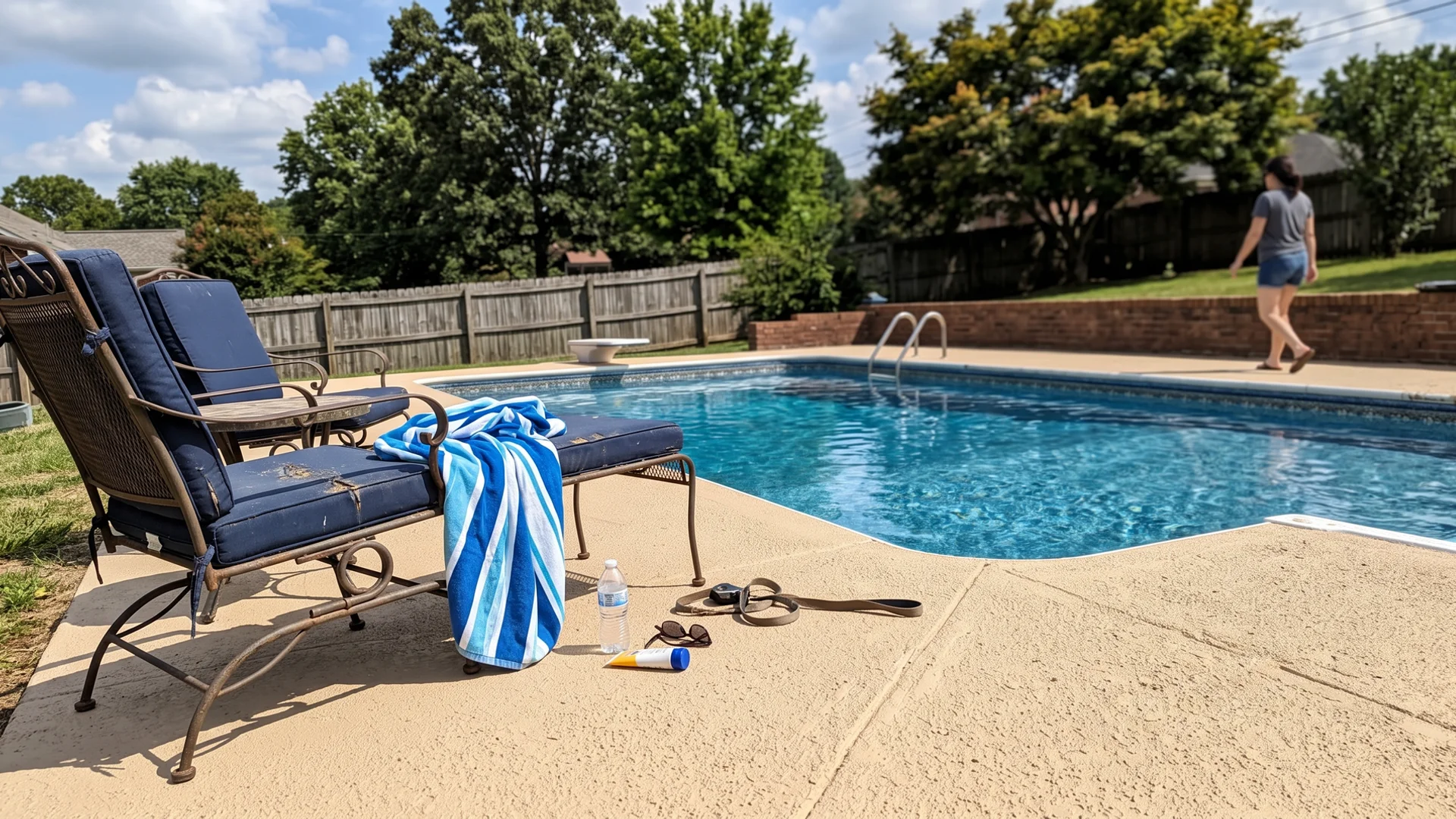
Finished textured pool deck coating around a backyard pool in Middle Tennessee

Weather-Tough Patio, Pool Deck & Driveway Coatings

UV-stable, slip-resistant coatings for patios, lanais, pool decks, and driveways.

Licensed & fully insured 5.0 from 92+ reviews Free on-site consultation
5.0 (92+ Google reviews)
Licensed & Fully Insured
Free On-Site Consultation
500+ floors coated

What Are Patio & Driveway Coatings?

Have you ever looked at your dull, stained concrete and wondered if high-quality patio & driveway coatings could finally solve the problem?

We understand that feeling completely. Spring Hill Epoxy is a high-quality flooring contractor dedicated to customer satisfaction and long-term durability, and outdoor slabs are covered by the same epoxy flooring service in Spring Hill, TN that handles our interior work. We see weather-beaten surfaces every single day across Middle Tennessee.

Upgrading your outdoor space is simpler than you might think. We are going to walk you through the exact steps we use, and you will be surprised at how easy it can be.

A properly installed outdoor coating does more than look good; it actively extends the life of your concrete by sealing out moisture and salt.

Exterior concrete coatings are resin systems built specifically for outdoor conditions. They seal and color the slab like an interior floor does, but the chemistry is chosen for a harder life. These surfaces must withstand ultraviolet light, freeze-thaw cycling, rain, pool chemicals, and deicing salt.

The mistake we get called out to fix most often is an indoor product used outdoors. Standard epoxy is aromatic, which means UV light breaks it down rapidly. Within a season or two, it ambers, chalks, and starts to lift at the edges.

Our team replaces these failing materials with a pure polyurea basecoat. This flexible layer moves easily with the slab through extreme thermal expansion cycling. We finish the project with a polyaspartic fast-curing ester topcoat that holds its color in full sun.

FeatureStandard Epoxy (Indoor)Polyaspartic & Polyurea (Outdoor)
Cure Time5 to 7 days2 to 4 hours per coat
UV ResistanceYellows and fades quickly100% UV stable
FlexibilityRigid, cracks easilyMoves with concrete thermal expansion

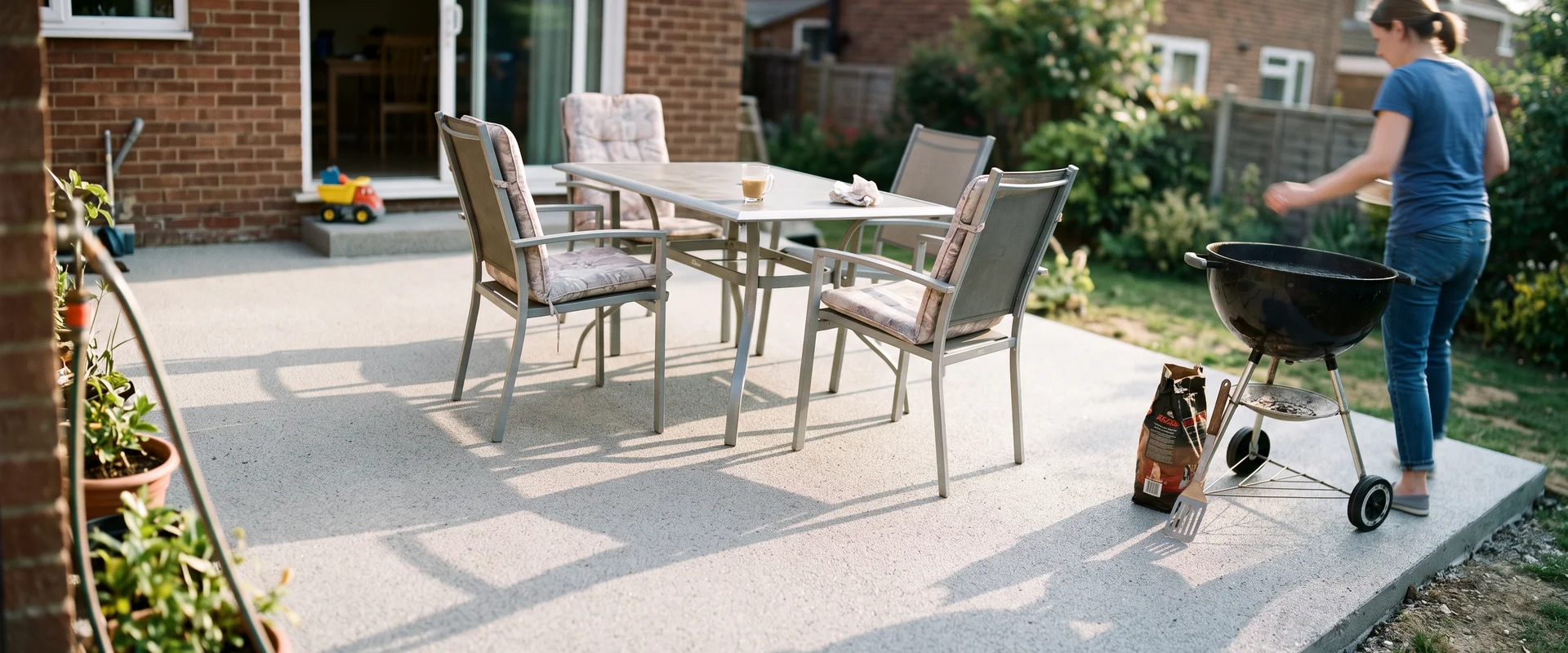
Texture is the other thing that separates outdoor work from a garage floor. A pool deck, lanai, or entry patio gets wet, and a smooth sealed surface there is a genuine hazard. We broadcast graded quartz or slip-resistant silica aggregate into the basecoat for safety.

This rougher texture gives grip underfoot and keeps the surface cooler than a plain dark slab in July. Uncoated concrete pool decks easily reach 140 degrees Fahrenheit in direct summer sun. Our lighter colors and added aggregate measurably reduce that dangerous surface temperature.

Driveways are the heaviest exterior application we handle. Vehicle loads, turning tires, and winter brine dripping off the underside of a car all attack a coating in ways foot traffic never does. We give those systems extra film build and a special deicing salt-tolerant specification.

  • Slip Resistance: Graded quartz prevents dangerous falls near wet pool decks.
  • Heat Reduction: Lighter aggregates reflect intense summer sunlight.
  • Tire Protection: Extra grip helps vehicles navigate steep driveway inclines safely.

Careful attention goes to the edge detail where the coating meets the lawn or the garage apron. Our 100 percent surface seal prevents salty water from penetrating the concrete. This protection stops the internal freezing and expansion that cracks unprotected slabs.

Common Problems We Solve

Neglected concrete causes serious headaches for suburban homeowners. We see minor issues turn into expensive repair bills simply because the surface was left exposed to the elements. According to 2026 data from construction cost indexes, delaying a simple 20 dollar per square foot patch can turn into a 150 dollar per square foot structural repair in just two years.

Here are the specific concrete issues we tackle most often to protect your investment.

  • Faded, chalky old sealer: This failing layer gets ground back completely so the new system bonds perfectly to sound concrete.
  • Surface spalling and pitting: Weather and salt flake the top of the slab away over time. We rebuild those damaged areas before coating so the finished surface is one perfectly flat plane.
  • Moss and staining in shaded areas: A sealed, non-porous surface gives moss nothing to grip and washes off far more easily.
  • Slippery pool surrounds: Adding an aggregate broadcast solves this hazard without making the deck unpleasant to walk on barefoot.
  • Hot, dark concrete: Lighter colors plus texture measurably reduce surface temperature on blazing summer afternoons.

Waiting to fix these problems only allows moisture to penetrate deeper. We recommend addressing surface wear before the harsh winter freeze sets in.

Scheduling Exterior Work

Outdoor coatings need a dry, mild weather window to cure properly. We watch the forecast closely and will happily move a date rather than push a coat that is going to get rained on halfway through curing. Planning ahead saves everyone from dealing with a compromised finish.

In Middle Tennessee, that usually means spring and autumn are the easiest seasons to book. Summer work starts early in the day to beat the intense afternoon heat. We rely on polyaspartic materials because they cure incredibly fast.

Here is a quick look at our typical exterior project timeline:

  • Day 1 Morning: Diamond grinding, surface preparation, and deep crack repairs.
  • Day 1 Afternoon: Flexible basecoat application and aggregate broadcasting.
  • Day 2 Morning: Fast-curing topcoat application and final quality inspection.
  • Day 3: The surface is completely ready for full vehicle traffic.

Most patios and pool decks are back in use the very next day. You will not have to block off your outdoor living space for an entire week like you would with traditional epoxy.

Are you ready to protect your concrete before the next season hits? We would love to chat about your specific outdoor space and find the perfect coating solution. Give us a call today to schedule a free concrete assessment and see how our patio & driveway coatings can transform your home!
Transparent pricing

How Much Does Outdoor Coatings Cost?

Exterior coatings run $3 to $12 per square foot. Surface condition and the texture system you need are the biggest variables.

Refresh Coat

Sound slab, single colour

$3-$5 / sq ft
per square foot
  • Diamond grinding prep
  • Crack chase and fill
  • UV-stable pigmented basecoat
  • Slip-resistant clear topcoat
Get an exact price
Most popular

Textured Broadcast

Pool decks, patios, high-traffic entries

$5-$8 / sq ft
per square foot
  • Everything in refresh coat
  • Quartz or silica broadcast
  • Cool-surface foot comfort
  • Polyaspartic fast-curing topcoat
Get an exact price

Driveway / Heavy Duty

Vehicle traffic and deicing exposure

$8-$12 / sq ft
per square foot
  • Everything in textured broadcast
  • Pure polyurea basecoat
  • Extra film build for vehicle loads
  • Deicing salt tolerance
  • Freeze-thaw cycling resistance
Get an exact price

What Moves the Price Up or Down

Factor Effect on your quote
Existing surface condition Spalling, moss damage, and old sealers all add prep time
Traffic type Vehicle-rated driveway systems need more build than a foot-traffic patio
Texture level A heavier aggregate broadcast for wet areas uses more material
Drainage and slope Ponding areas may need levelling or drainage attention before coating
Weather window Exterior work needs a dry, mild stretch, which can affect scheduling

Every price is confirmed after a free on-site look at your slab. Book a free consultation.

The difference

Why Choose Us for Outdoor Coatings?

Built for Tennessee weather

Hot summers, freeze-thaw winters, and deicing salt on the driveway. We use flexible polyurea and polyaspartic systems designed for that cycling rather than an indoor epoxy applied outdoors.

Non-yellowing topcoats

Standard epoxies amber under UV within a season or two outdoors. Aliphatic polyaspartic topcoats hold their colour in full sun.

Cool and grippy underfoot

Pool decks and patios need texture that grips wet feet without shredding them. A graded quartz broadcast gives slip resistance and keeps the surface cooler than bare dark concrete.

Fast return to use

Polyaspartic chemistry cures quickly, so a patio is usually back in service the next day rather than at the end of the week.

Breathable where it matters

Exterior slabs on grade move moisture. We select systems with the right efflorescence breathability so vapor does not lift the coating from beneath.

Neat edges and borders

The line where a driveway meets lawn, or a patio meets a step, is what people actually see. We cut those in by hand.

How Spring Hill Epoxy Compares

Feature Typical provider Spring Hill Epoxy
Topcoat chemistry Standard epoxy used outdoors Aliphatic polyaspartic, UV-stable
Colour stability Ambers within a season or two Non-yellowing in full sun
Flexibility Rigid film, cracks with slab movement Pure polyurea basecoat, handles thermal cycling
Slip resistance Smooth sealer Graded quartz broadcast for wet areas
Return to service Several days Usually next day on foot-traffic areas
Step by step

How Our Outdoor Coatings Install Works

  1. 1

    Assess the exterior slab

    We look at cracking, spalling, drainage, and any existing sealer, and check how the surface drains after rain. Exterior slabs move more than interior ones, and the system has to account for it.

  2. 2

    Grind, clean, repair

    Diamond grinding removes old sealer and surface contamination, cracks are chased and filled, and spalled edges are rebuilt so the finished surface reads as one plane.

  3. 3

    Polyurea base and broadcast

    A pure polyurea basecoat goes down, flexible enough to handle thermal movement. Quartz or silica aggregate is broadcast into it for grip and a cooler surface underfoot.

  4. 4

    Polyaspartic topcoat

    A polyaspartic fast-curing ester seals the system. It is aliphatic, so it resists UV degradation and will not yellow, and it cures fast enough to hand the space back quickly.

See the Difference

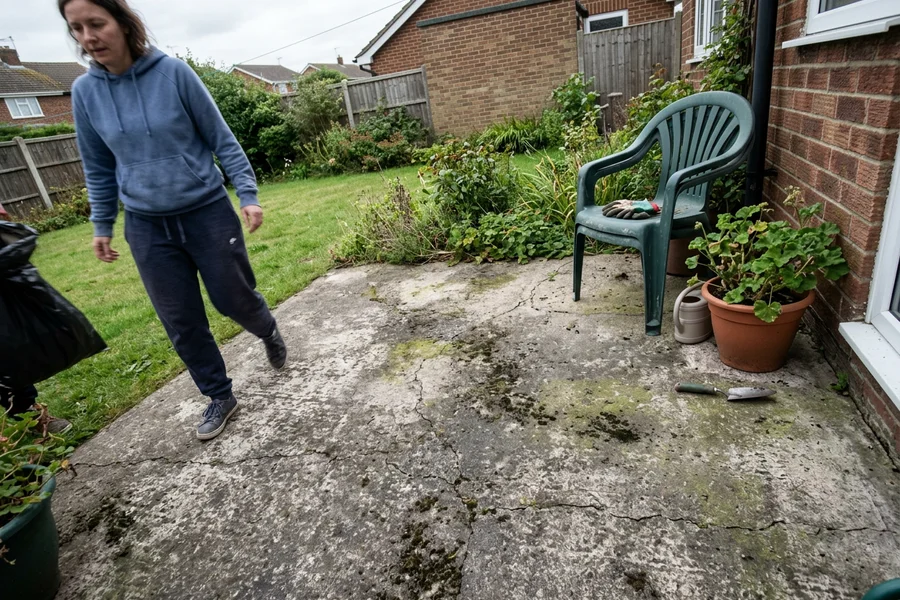
Before: Outdoor Coatings transformation Before
Bare, stained slab as we found it.
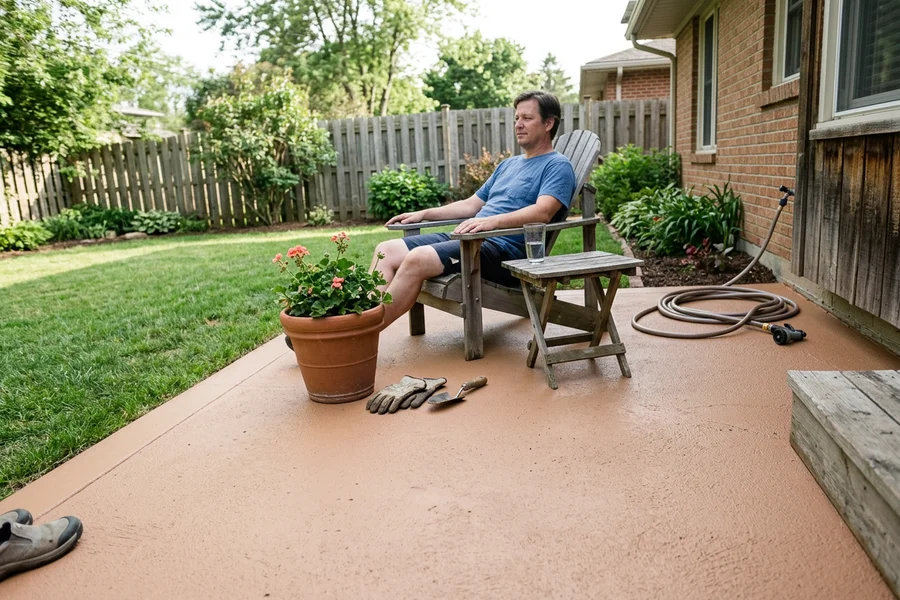
After: Outdoor Coatings transformation After
Diamond-ground, coated, and topcoated.
Reviews

What Customers Say About Our Outdoor Coatings

5.0 out of 5 from 92+ reviews
"Punctual, tidy, and they explained every step. Our pool deck is cool underfoot now and hasn't yellowed in the sun. Great local company."
Greg P.
Nolensville
"The patio was cracking and stained beyond cleaning. They ground it back, filled everything, and the textured finish looks intentional rather than like a repair."
Hannah M.
Brentwood
"Driveway took two winters of salt since the coating went down and there is no flaking at the edges. That was the exact thing I was worried about."
Dale W.
Columbia
Got questions?

Outdoor Coatings FAQs

Will an outdoor coating fade or yellow?
Not with the right topcoat. Standard epoxies are aromatic and amber under UV, which is why an indoor product used outdoors goes yellow. We finish exterior work with an aliphatic polyaspartic that resists UV degradation and keeps its colour.
What does a patio or driveway coating cost?
Exterior coatings run $3 to $12 per square foot. A refresh coat on a sound patio sits at the low end, a textured pool deck in the middle, and a vehicle-rated driveway system with heavy build at the top.
Is it slippery when wet?
The opposite, when specified properly. We broadcast a graded quartz or silica aggregate into the basecoat, which gives slip-resistant texture specifically for pool surrounds, lanais, and entries that get wet.
Will it survive Tennessee winters?
Yes. The systems we use for exteriors are chosen for freeze-thaw thermal expansion cycling and for tolerance of deicing salt. That flexibility is the reason we do not simply use a garage epoxy outside.
Can you coat over a cracked patio?
Usually. Static hairline cracks are chased out, filled, and coated over. Cracks that are still moving, or that indicate slab settlement, need addressing first, and we will tell you if that is what we are looking at.
Does it get hot in summer sun?
Lighter colours and a textured broadcast make a real difference to surface temperature, which is why pool decks are usually specified in sand, tan, or light grey rather than dark charcoal.
How long before we can use it?
Polyaspartic cures fast. Foot traffic on a patio or pool deck is generally fine the next day. Driveways need longer before vehicles go back on, and we give you the exact figure at handover.
Can you match it to our house or pool tile?
We can get close on colour and can bring samples out. Exterior colours read lighter in full sun than they do indoors, so we always recommend looking at a sample outside rather than in the garage.
What about drainage and ponding?
A coating follows the existing slope, so a slab that ponds now will still pond afterwards. If water sits in one spot, we will point it out at the consultation and talk through levelling or drainage options.

Still have a question?

Call and talk to the crew that will actually be on your slab. We'll give you a straight answer.

(615) 908-2144
Now booking across Williamson, Maury & Davidson counties

Ready to Book Outdoor Coatings?

Free on-site consultation and a written price for your patio & driveway coatings project.

Licensed & fully insured Transparent, itemised pricing Diamond-ground prep on every job
Free Quote